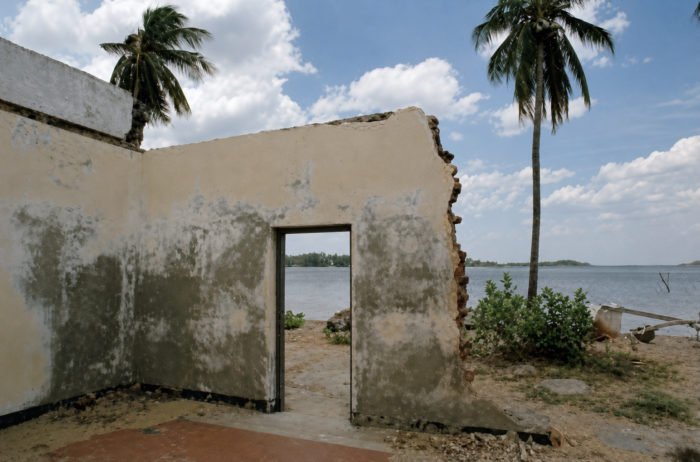
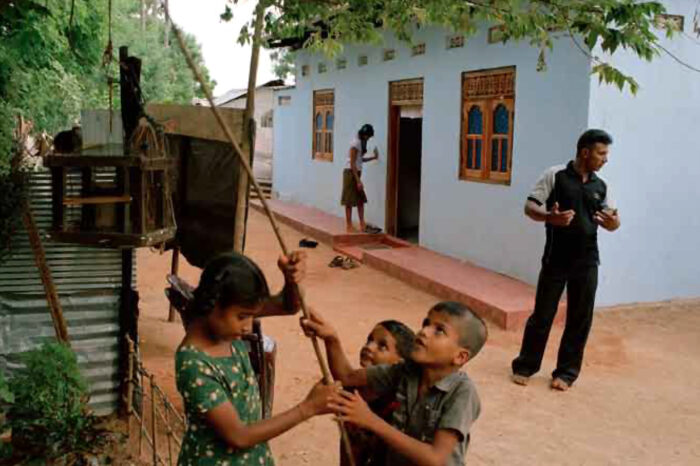
The Indian Ocean tsunami of 26 December 2004 caused catastrophic damage along Sri Lanka’s coast, killing more than 30,000 people and damaging or destroying tens of thousands of homes. In response, the Government of Sri Lanka launched a national home-owner-driven housing programme with support from international partners.
The Swiss Consortium—Swiss Solidarity, the Swiss Agency for Development and Cooperation (SDC), the Swiss Red Cross and HEKS—supported implementation in Matara and Trincomalee. These districts reflected very different contexts: Matara in the south and the ethnically diverse, conflict-affected district of Trincomalee in the north-east.
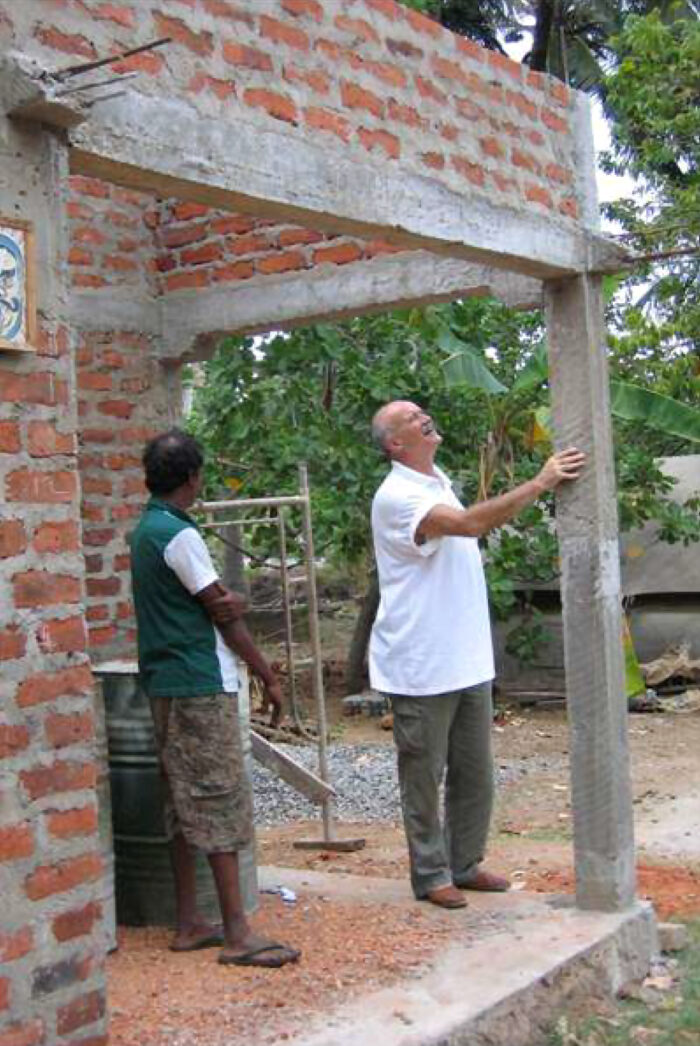
Eligible homeowners received conditional cash grants directly into their bank accounts. For fully destroyed homes, payments were released in stages as the foundation, walls, roof and completion milestones were verified; partially damaged houses received two instalments. When rising labour, transport and material costs threatened completion, additional “top-up” grants increased support for eligible households. Technical field officers advised homeowners and regularly checked construction progress.
A dedicated database linked beneficiary registration, damage assessment, site verification and payment authorisation. Public beneficiary lists and local grievance committees strengthened accountability. The system managed around 50,000 financial transactions and was subsequently adopted by other partners and authorities.
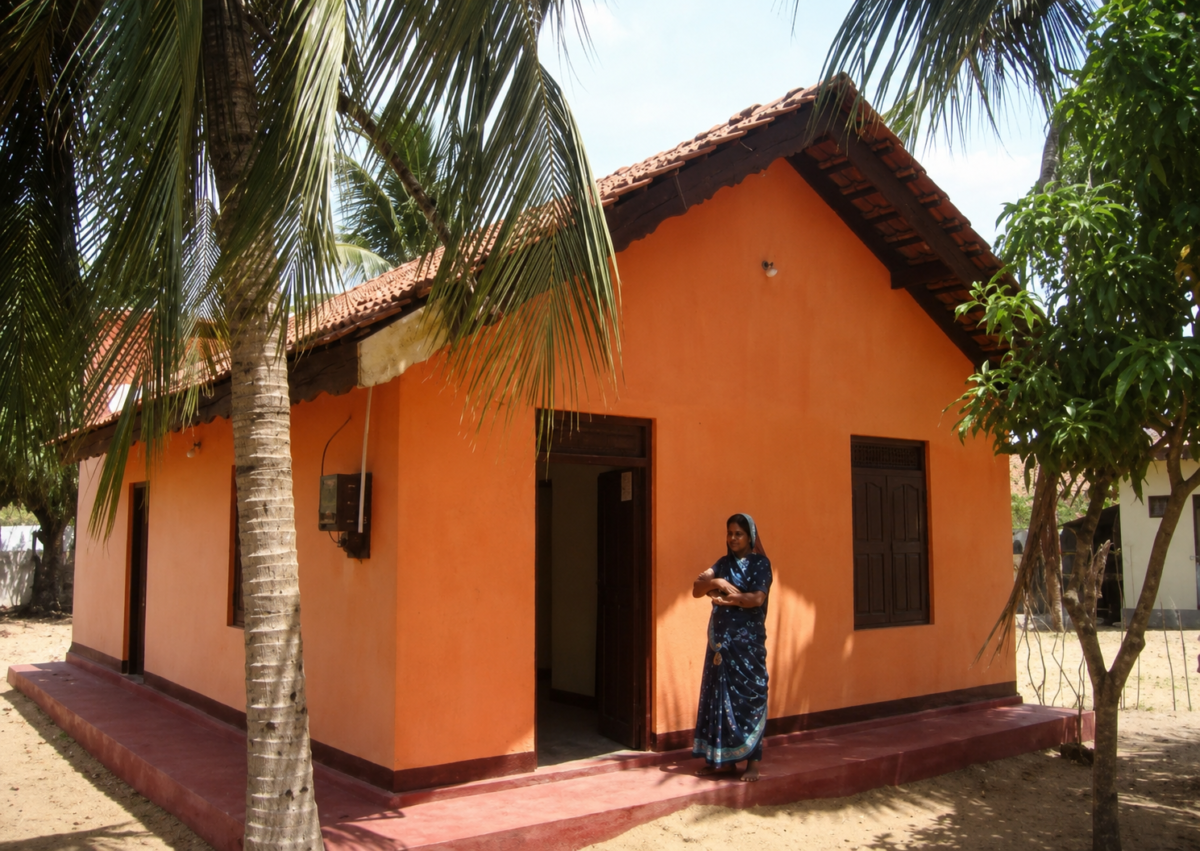
By the end of the programme, more than 10,600 households had repaired or reconstructed their homes—about 7,300 repaired houses and 3,300 newly reconstructed houses. The external evaluation found the approach socially, financially and technically viable where markets and banking systems functioned. It gave families greater choice over the design and size of their homes, supported local builders and suppliers, and proved considerably more cost-efficient than contractor-built alternatives. It also showed that cash assistance works best when paired with technical support, close monitoring, adaptable grant values and measures to include landless people, renters and other vulnerable households.